
How to grow Bicep ?
I. Introduction
A. Importance of Bicep Workouts
B. Benefits of Bigger Biceps
II. Understanding the Bicep Muscles
A. Anatomy of the Biceps
B. Role of the Biceps in Upper Body Strength
III. Basic Bicep Exercises
A. Barbell Curls
B. Dumbbell Curls
C. Hammer Curls
IV. Isolation Exercises for Biceps
A. Preacher Curls
B. Concentration Curls
C. Cable Curls
V. Advanced Techniques for Bigger Biceps
A. Supersets and Dropsets
B. Negatives and Eccentric Training
C. Isometric Holds
VI. Proper Form and Technique
A. Range of Motion
B. Grip and Hand Placement
C. Breathing Techniques
VII. Importance of Progressive Overload
A. Increasing Weight and Resistance
B. Varying Repetition Ranges
C. Incorporating Resistance Bands
VIII. Nutrition for Bicep Growth
A. Adequate Protein Intake
B. Essential Nutrients for Muscle Growth
C. Hydration and Recovery
IX. Avoiding Common Mistakes
A. Overtraining the Biceps
B. Neglecting Other Muscle Groups
C. Poor Form and Incorrect Execution
Bicep Workout for Bigger Biceps:
Introduction:
When it comes to building an impressive physique, well-developed biceps can make a noticeable difference. Not only do bigger biceps enhance your overall aesthetic, but they also contribute to upper body strength and functionality. In this article, we will explore various exercises, techniques, and tips to help you achieve bigger biceps.
Understanding the Bicep Muscles
To effectively train your biceps, it’s essential to understand their anatomy and role in upper body strength. The biceps brachii, commonly referred to as biceps, are a two-headed muscle located on the front of your upper arm. Comprised of the long head and short head, the biceps play a crucial role in elbow flexion and forearm supination.


Basic Bicep Exercises:
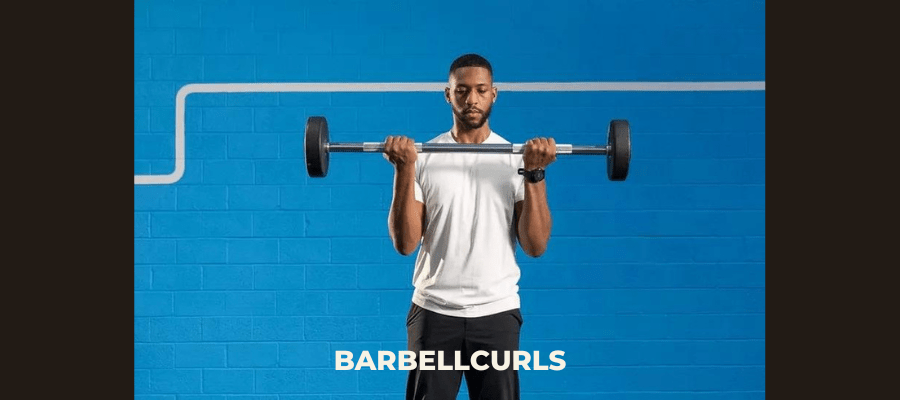
- Barbell Curls: This classic exercise targets the biceps effectively. palms facing up Stand with a shoulder-width grip. Slowly curl the barbell toward your chest while keeping your elbows stationary. Lower the barbell back down in a controlled and slow manner.
- Dumbbell Curls: Dumbbell curls offer a versatile and effective way to build bigger biceps. Hold a dumbbell in each hand, palms facing upwards. Contract your biceps to curl the weights toward your shoulders, then lower them slowly and under control.
- Hammer Curls: Hammer curls target not only the biceps but also the brachialis muscle, which helps create the appearance of bigger arms. Hold a dumbbell in each hand, palms facing your torso. Keeping your elbows stationary, curl the dumbbells up and squeeze your biceps at the top. Lower the weights slowly.


Isolation Exercises for Biceps:
- Preacher Curls: This exercise isolates the biceps by minimizing the involvement of other muscle groups. Sit at a preacher curl bench and place your upper arms on the pad. Grasp an EZ bar with an underhand grip and curl the weight up, maintaining strict form and control.
- Concentration Curls: Concentration curls target the biceps by eliminating any momentum. Sit on a bench, lean forward, and place your elbow against your inner thigh. With a dumbbell in hand, fully extend your arm, and curl the weight up, focusing on the contraction at the top.
- Cable Curls: Cable curls provide constant tension throughout the movement. Attach a straight bar to a low pulley, grab the bar with an underhand grip, and stand with your feet shoulder-width apart. Curl the bar toward your chest while keeping your elbows close to your sides.
Advanced Techniques for Bigger Biceps:
- Supersets and Dropsets: Incorporating supersets (performing two exercises back to back) and dropsets (reducing the weight during a set) can help increase the intensity of your bicep workouts, leading to muscle growth.
- Negatives and Eccentric Training: Emphasizing the negative or eccentric phase of an exercise by slowing down the lowering portion of the movement can recruit more muscle fibers and stimulate bicep growth.
- Isometric Holds: Pausing at the midpoint of a bicep exercise and holding the contraction for a few seconds can enhance muscle activation and contribute to greater muscle hypertrophy.
Proper Form and Technique:
Maintaining proper form and technique during bicep exercises is crucial for maximizing muscle growth and preventing injuries.
- Range of Motion: Perform each exercise through a full range of motion, allowing for a complete stretch and contraction of the biceps.
- Grip and Hand Placement: Experiment with different grips, such as wide or narrow, to target the biceps from different angles. Varying hand placements can stimulate different muscle fibers.
- Breathing Techniques: Breathe out during the concentric phase (lifting) of the exercise and breathe in during the eccentric phase (lowering). This helps stabilize the core and optimize muscle recruitment.
Importance of Progressive Overload
To continue making progress and stimulating bicep growth, it’s important to incorporate progressive overload into your training routine.
Increasing Weight and Resistance: Gradually increase the weight or resistance used in your exercises as your strength improves to challenge your muscles and promote growth.
- Varying Repetition Ranges: Alternate between lower rep ranges (4-6) and higher rep ranges (8-12) to target different muscle fibers and stimulate overall muscle development.
- Incorporating Resistance Bands: Resistance bands can add extra tension and resistance to your bicep exercises, helping to break through plateaus and further stimulate muscle growth.
Nutrition for Bicep Growth
Supporting your bicep growth goes beyond the gym. Proper nutrition is essential for muscle recovery and development.
- Adequate Protein Intake:
Consume sufficient protein to provide your muscles with the necessary building blocks for growth. gwt atlease 0.8-1 gram of protein/pound of body weight for adequate results.
- Essential Nutrients for Muscle Growth:
Ensure your diet includes a variety of nutrient-dense foods, including complex carbohydrates, healthy fats, vitamins, and minerals, to support overall muscle growth and recovery.
- Hydration and Recovery: Stay hydrated to support optimal muscle function and recovery. Aim to drink an adequate amount of water throughout the day and prioritize quality sleep to allow your muscles to repair and grow.
 The Gym Drill
Hinterlasse einen Kommentar