
Why muscle recovery:
Muscle recovery is the key fundamental principal for muscle growth and proper functioning of body, Neurons and chemical balance in your body.
Maximize muscle recovery:
Discover effective techniques and their benefits
Introduce
Reaching your fitness goals isn’t just about rigorous workouts and good nutrition; Recovery is equally important. Recovery techniques play an important role in ensuring optimal muscle growth, injury prevention, and overall health. In this article, we’ll dive into the different recovery methods, highlighting their benefits, pros, and cons to help you make informed choices that complement your fitness journey.
- Active Recovery:
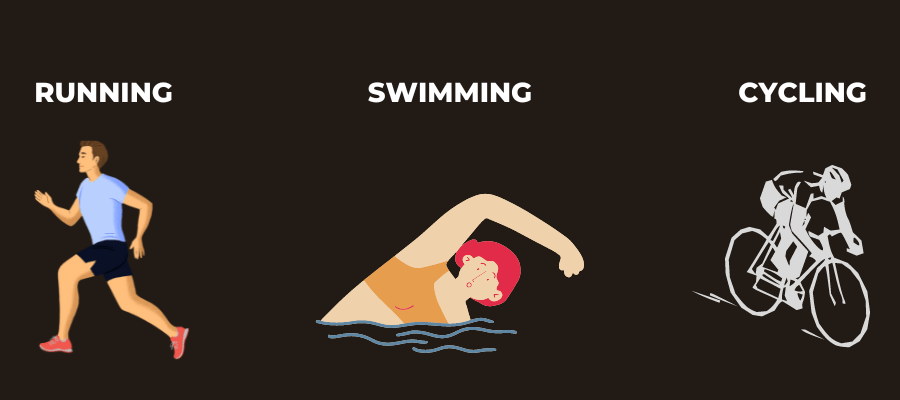
Active recovery includes low-intensity workouts, such as walking, cycling, swimming to improve blood circulation and promote healing. While active recovery is effective in reducing muscle soreness and fatigue, its benefits go far beyond physical recovery.
Benefits:
- Increases blood circulation to help eliminate metabolic waste.
Improves nutrient delivery to muscles, supporting repair and growth. - Promotes mental relaxation and reduces stress.
Reduces the risk of post-workout stiffness.
Pros: - Gentle activity maintains an active lifestyle during rest.
- Facilitates faster recovery without putting extra strain on muscles.
- Suitable for people with different fitness levels.
Cons:
May not be as effective for intense muscle repair as complete rest.
- Foam rolling and self-foam release (SMR):
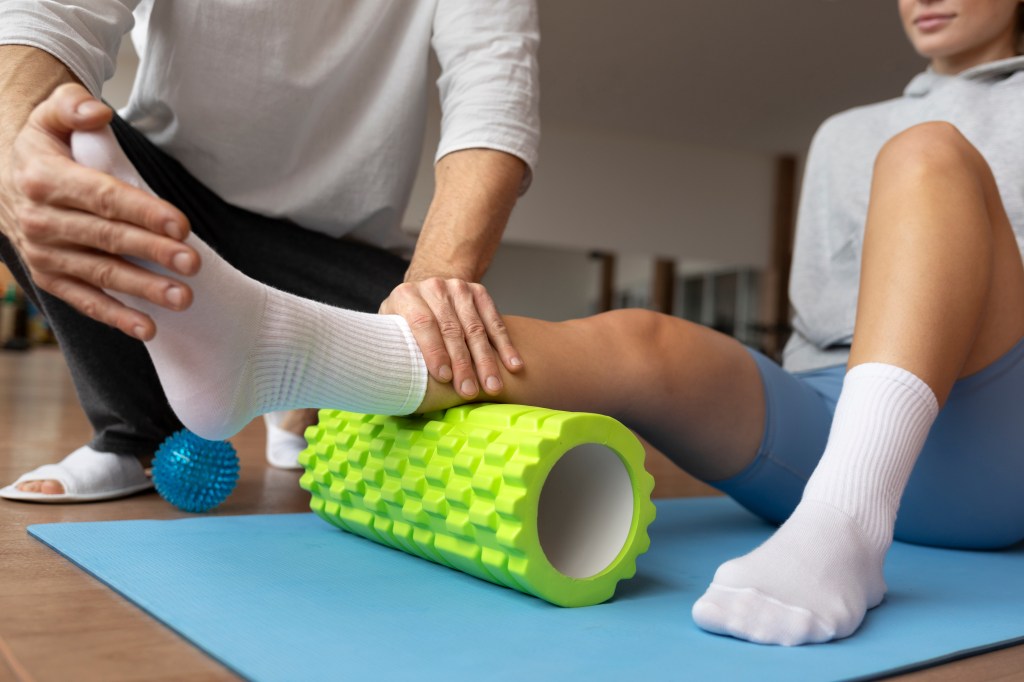
Foam rolling is a self-massage technique that targets myofascial trigger points. It involves using a foam roller to apply pressure to tight areas, helping to release tension and improve muscle flexibility.
Benefits:
- Breaks down adhesions and knots in the scale, and improves muscle function.
- Improves circulation and nutrient delivery.
- Reduce muscle soreness and increase range of motion. – Can be done anywhere with minimal equipment.
Pros:
- Affordable and accessible.
- Can be adapted to each specific muscle group.
- Complete other recovery methods.
Cons:
- Discomfort or pain when sucking, especially for beginners. – Requires correct technique, avoid putting too much pressure on the sensitive area.
3. Stretching and yoga:
Incorporating static stretching or yoga into your routine can help with muscle recovery and relaxation. These techniques increase flexibility, reduce muscle tension, and promote mindfulness.
Benefits:
– Improves muscle flexibility and joint range of motion. Reduce the risk of injury by maintaining muscle balance.
– Encourage relaxation and reduce stress through controlled breathing.
– May improve posture and alignment.
Pros:
– Can be done independently or in a tutorial session.
– Suitable for people with different fitness levels. – Bring physical and mental benefits.
Cons:
Excessive stretching can lead to injury, especially if done incorrectly.
– Should be avoided before intense exercise.

4. Cold Therapy (Cryotherapy)
Cryotherapy involves exposing the body to cold temperatures, usually with an ice bath, cold bath, or local application of ice. This method aims to reduce inflammation and promote tissue repair.
Benefits:
– Reduce inflammation and muscle pain.
– Constricts blood vessels, reducing fluid accumulation and swelling.
– Promotes vasoconstriction, which can help with muscle recovery.
Pros:
– Relieve muscle pain and discomfort. May improve pain tolerance and mental resilience.
– Can be combined with other recovery techniques.
Cons:
Cold exposure can cause discomfort or fatigue.
– Limited availability of cryotherapy facilities.
– Potentially misused, leading to reduced effectiveness

5. Massage therapy:
Professional massage therapy involves manipulation of soft tissues to improve blood circulation, relieve muscle tension, and facilitate relaxation.
Benefits:
– Increases blood flow and oxygen supply to muscles.
– Promotes muscle relaxation and stress relief.
– Releases endorphins, bringing a feeling of euphoria.
Pros:
– Provides a personalized and therapeutic approach.
– Addresses specific muscle groups and areas of tension.
– Provides a rejuvenating and luxurious experience.
Cons:
– Can be expensive and time consuming.
– Availability of qualified massage therapists may vary.

Sleep:
Sleep is the king for the recovery for muscles. Maximize the quality of sleep will help the body to calibrate to its core value. Get quality sleep ,fix a routine time for sleep.
Sleep will get your hormones and muscle calibrated
It will give vital neuron recovery time

Supplements:
Muscle-relaxing supplements are often used to alleviate muscle tension, reduce cramps, and promote relaxation. It’s important to note that while these supplements may provide some relief, they should not be a substitute for medical advice or treatment for underlying conditions. Always consult a healthcare professional before adding any new supplements to your routine, especially if you have pre-existing health conditions or are taking medications. Here are some commonly used muscle-relaxing supplements:
- Magnesium:
- Magnesium is essential for muscle function and relaxation. It can help reduce muscle cramps and promote overall relaxation.
- Forms: Magnesium citrate, magnesium glycinate, magnesium oxide, and magnesium chloride.
- Dosage: Dosage varies, but typically ranges from 200 to 400 mg per day.
- Calcium:
- Calcium is crucial for muscle contraction and relaxation. Adequate calcium intake can help maintain muscle function.
- Dosage: The recommended daily intake of calcium varies, but for adults, it’s generally around 1000 to 1300 mg.
- Vitamin D:
- Vitamin D plays an important role in the proper functioning of muscles and maintaining healthier bones . Deficiency can contribute to muscle weakness.
- Dosage: Dosage varies based on individual needs, but 600 to 800 IU per day is often recommended.
- B Vitamins:
- B vitamins, such as B6 and B12, play a role in nerve function and muscle health.
- Dosage: Dosage varies depending on the specific B vitamin and individual needs.
- Valerian Root:
- Valerian root is a herbal supplement that may help promote relaxation and relieve muscle tension.
- Dosage: Dosage varies, but for valerian root extract, around 300 to 600 mg per day may be used.
- Passionflower:
- Passionflower is another herbal supplement that may have muscle-relaxing and calming effects.
- Dosage: Dosage varies, but around 500 mg of passionflower extract per day may be used.
- L-Theanine:
- L-Theanine is an amino acid found in tea leaves and has calming and relaxation-promoting properties.
- Dosage: Dosage varies, but around 100 to 200 mg per day is commonly used.
- Chamomile:
- Chamomile is an herbal remedy that has been used for its calming and muscle-relaxing effects.
- Dosage: Chamomile tea is commonly consumed, but herbal supplements vary in dosage.
- Turmeric/Curcumin:
- Turmeric contains curcumin, which has anti-inflammatory properties and may help reduce muscle soreness and tension.
- Dosage: Dosage varies, but curcumin supplements typically range from 500 to 1000 mg per day.
- Omega-3 Fatty Acids:
- Omega-3 fatty acids, found in fish oil, have anti-inflammatory properties that may support muscle recovery and relaxation.
- Dosage: Dosage varies, but around 1000 to 2000 mg of combined EPA and DHA per day is common.
It’s important to remember that supplements are not a replacement for a balanced diet and a healthy lifestyle. If you experience persistent muscle tension, cramps, or other symptoms, it’s crucial to consult a healthcare professional to determine the underlying cause and receive appropriate treatment.
Conclusion:
Incorporating effective recovery techniques into your exercise routine is key to achieving optimal results and maintaining your overall health. Each of the methods discussed in this article offers its own benefits, and choosing the right method depends on your preferences, fitness goals, and individual needs. Whether you choose active recovery, foam rolling, stretching, cryotherapy, or massage therapy, a comprehensive recovery plan can dramatically improve muscle repair, reduce the risk of injury, and reduce the risk of injury and contribute to a balanced exercise journey. Remember that recovery is an important part of training, and investing time and effort into these techniques can help you achieve lasting results.
The product below perfect supplement for essential minerals and vitamines.


 The Gym Drill
Hinterlasse einen Kommentar