
Calisthenics:
Calisthenics is art of controled body motion. As most of the calisthenics involved the body weight exercises apart from if you are doing Hybrid Calisthenics. The art can only be achived being patient and consitent, in this post im going to write about the beginner Calisthenics workout plan for first three months.
Beginner calisthenics workout plan for a period of three months. Calisthenics is a fantastic way to build strength and improve your fitness level using just your body weight. Remember to consult with a medical professional before starting any new exercise program, especially if you have any underlying health conditions.
Month 1: Foundation and Basics:
Weeks 1-2: Focus on Form and Mobility
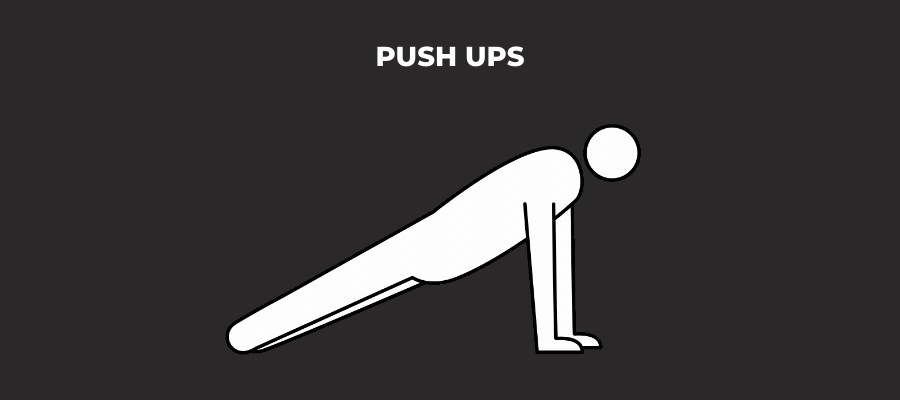
- Push-Ups – 3 sets of 8-10 reps
- How to do: Place your hands slightly wider than shoulder-width apart, keep your body in a straight line, and lower yourself until your chest almost touches the ground.
- Best practice: Maintain a tight core throughout the movement.
- Bodyweight Squats – 3 sets of 10-12 reps
- How to do: Stand with your feet shoulder-width apart, squat down by bending your knees and pushing your hips back, then return to the starting position.
- Best practice: Keep your knees aligned with your toes and maintain a neutral spine.

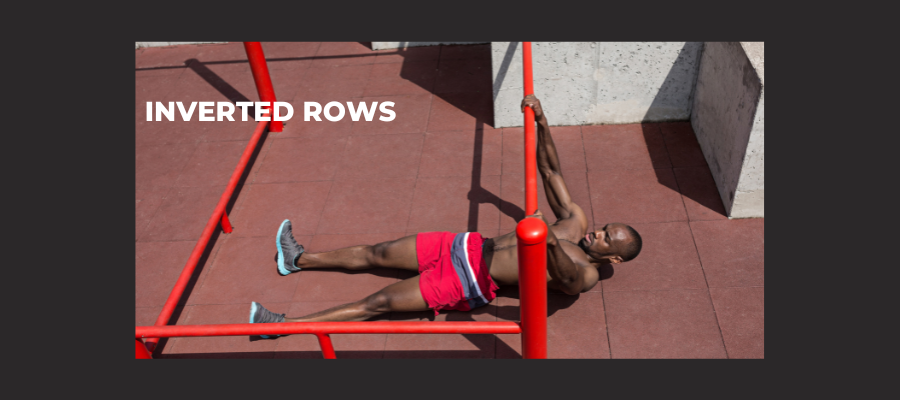
- Inverted Rows (using a sturdy horizontal bar or TRX) – 3 sets of 8-10 reps
- How to do: Lie on your back under the bar, grasp it with an overhand grip, and pull your chest towards the bar while keeping your body straight.
- Best practice: Engage your back muscles and avoid shrugging your shoulders.
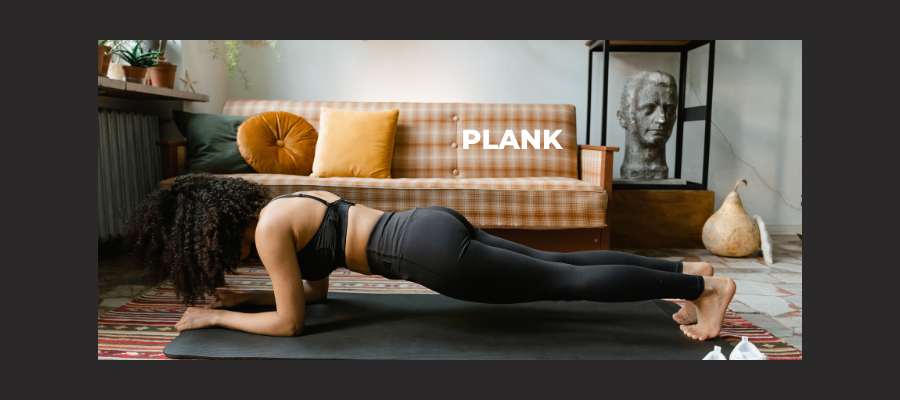
- Plank – 3 sets of 20-30 seconds
- How to do: Get into a push-up position and hold your body in a straight line, resting on your forearms and toes.
- Best practice: Keep your core engaged and don’t let your hips sag.
Weeks 3-4: Progression and Strength Building
- Push-Ups – 3 sets of 10-12 reps
- Progression: If possible, elevate your feet to increase the difficulty.
- Bodyweight Squats – 3 sets of 12-15 reps
- Inverted Rows – 3 sets of 10-12 reps
- Progression: Increase the angle by adjusting your body position or use a harder grip.
- Plank – 3 sets of 30-40 seconds
Month 2: Intermediate Moves and Variations:
Weeks 5-6: Skill Development
- Diamond Push-Ups – 3 sets of 8-10 reps
- How to do: Place your hands close together to form a diamond shape under your chest, then perform push-ups.
- Best practice: Keep your elbows close to your body.

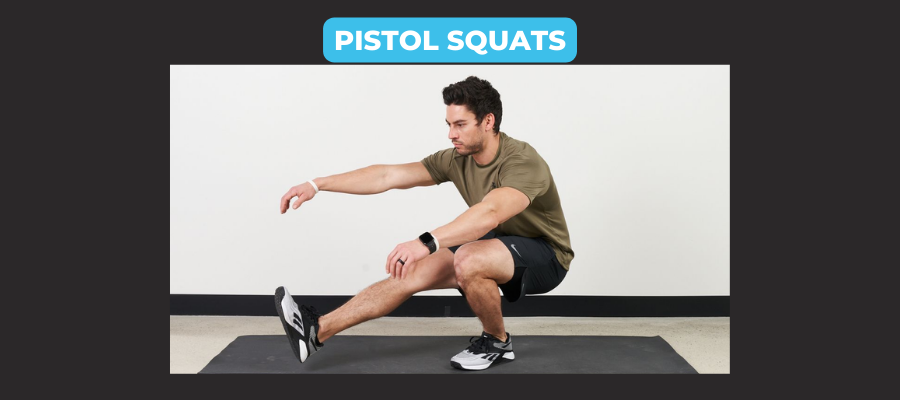
- Pistol Squats (Assisted if Needed) – 3 sets of 6-8 reps per leg
- How to do: Stand on one leg and lower yourself into a squat position, keeping the other leg extended.
- Australian Pull-Ups – 3 sets of 8-10 reps
- How to do: Lie under a bar at waist height, grasp it with an overhand grip, and pull your chest towards the bar while keeping your body straight.

- Side Planks – 3 sets of 20-30 seconds per side

Weeks 7-8: Increased Intensity
- Decline Push-Ups – 3 sets of 8-10 reps
- How to do: Place your feet on an elevated surface and perform push-ups.
- Progression: Increase the elevation for more difficulty.
- Pistol Squats – 3 sets of 6-8 reps per leg
- Progression: Try to do pistol squats without assistance.
- Pull-Ups or Negative Pull-Ups – 3 sets of 3-5 reps (or negatives for 6-8 seconds)
- How to do: Find a horizontal bar or use a pull-up bar and pull your body upward.
- Plank Variations (e.g., forearm plank with leg lifts) – 3 sets of 30-40 seconds
Month 3: Mastery and Advanced Techniques:
Weeks 9-10: Advanced Movements
- Handstand Push-Ups (against a wall or pike push-ups) – 3 sets of 5-8 reps
- How to do: Perform a push-up while in a handstand position against a wall or with your feet elevated.
- Advanced Pistol Squats (e.g., weighted or explosive) – 3 sets of 5-8 reps per leg
- Muscle-Ups (if possible, or continue pull-up variations) – 3 sets of 3-5 reps
- How to do: Perform a pull-up and transition into a dip at the top of the movement.
- L-Sit – 3 sets of 15-20 seconds
- How to do: Sit on the floor, lift your legs, and hold them straight in front of you while supporting yourself with your hands.
Weeks 11-12: Refinement and Consistency
- Dips (using parallel bars or sturdy chairs) – 3 sets of 8-10 reps
- How to do: Lower your body between parallel bars or chairs, then push yourself back up.
- Advanced Push-Up Variations (e.g., one-arm push-ups) – 3 sets of 3-5 reps per arm
- Front Lever Progression (tuck or advanced tuck) – 3 sets of 10-15 seconds
- How to do: Hang from a bar and tuck your knees towards your chest while keeping your body horizontal.
- Advanced Plank Variations (e.g., plank with leg lifts and arm extensions) – 3 sets of 30-40 seconds
Best Practices:
- Warm-Up: Begin each session with a 5-10 minute dynamic warm-up to increase blood flow and prepare your muscles.
- Progressive Overload: Gradually increase the intensity, reps, or difficulty of exercises as your strength improves.
- Rest and Recovery: Allow at least 48 hours of rest between workouts targeting the same muscle groups.
- Proper Form: Focus on maintaining proper form throughout each exercise to avoid injury and ensure effectiveness.
- Nutrition and Hydration: Maintain a balanced diet and stay hydrated to support your training and recovery.
- Listen to Your Body: If you feel pain or discomfort, stop and consult a professional. It’s okay to modify exercises as needed.
- Consistency: Stick to the plan and maintain a consistent workout schedule to see the best results.
Remember, progress varies for each individual. Adjust the workout plan based on your own capabilities and goals. If you ever find the exercises too challenging or easy, feel free to modify them accordingly. It’s important to enjoy the process and celebrate your achievements along the way. Good luck on your calisthenics journey!
 The Gym Drill
Hinterlasse einen Kommentar